Each ramen style differs in broth, texture, and noodles. This guide helps you quickly find the one you’ll enjoy most.
Shoyu Ramen
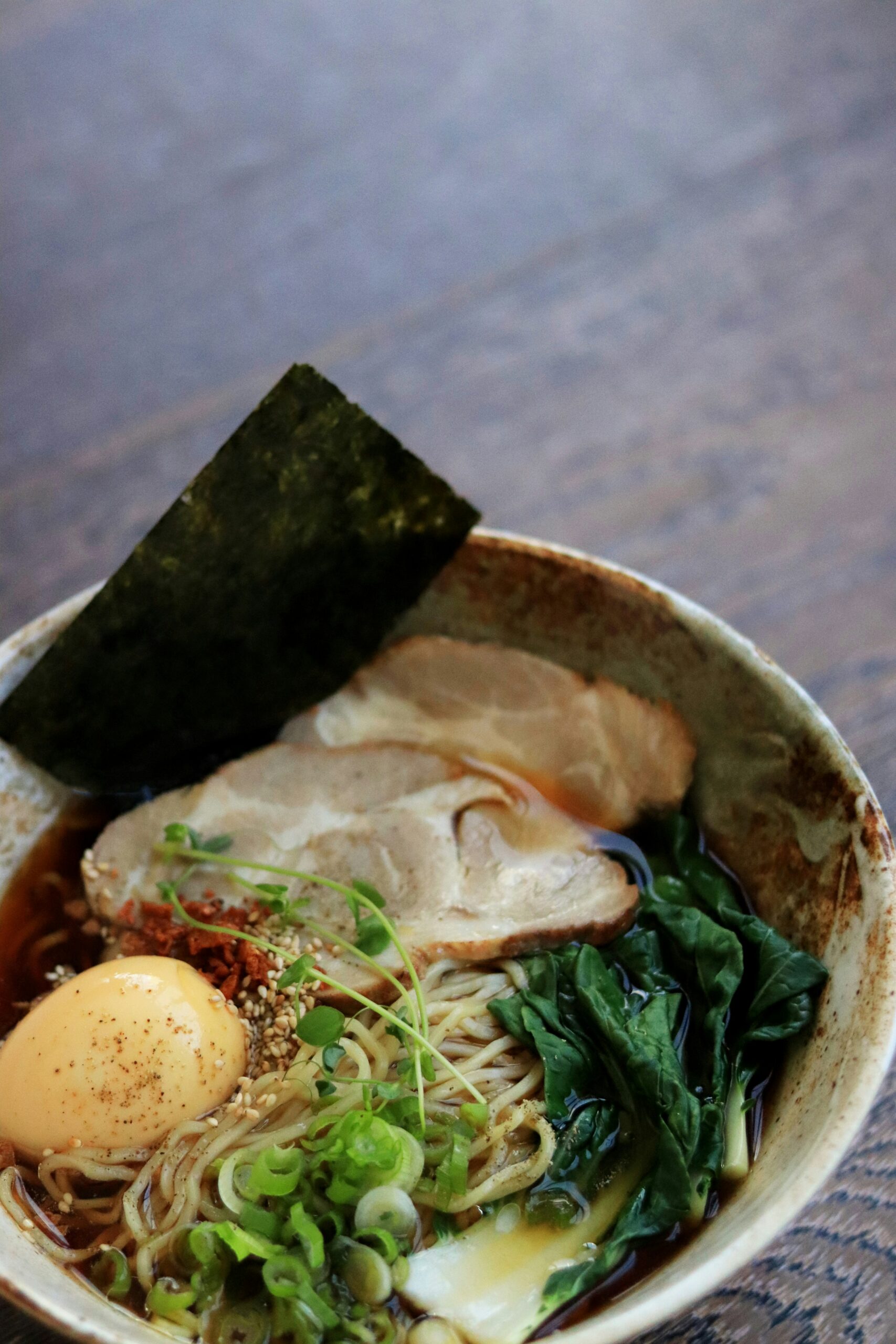
Shoyu ramen is the most classic and widely recognised style.A soy sauce base gives it depth, aroma, and a comforting balance of savoury and sweetness.
Taste: Bold, savoury, slightly sweet Broth feel: Clear, balanced, aromatic Noodles: Thin to medium, straight What it’s like: Familiar and comforting You’ll like this if: You enjoy traditional, well-rounded flavours
Tonkotsu ramen is known for its intense richness and creamy texture. The broth is made by simmering pork bones for hours, sometimes days.
Taste: Deep, meaty, savoury Broth feel: Thick, creamy, coating Noodles: Thin, straight, firm What it’s like: Bold and indulgent You’ll like this if: You love rich, heavy broths with intensity
Miso ramen is rich, hearty, and deeply warming. Made with fermented soybean paste, it’s especially popular in colder regions of Japan.
Taste: Robust, salty, umami-rich Broth feel: Thick, hearty, and warming Noodles: Thick, wavy What it’s like: Filling and satisfying You’ll like this if: You want something bold and comforting
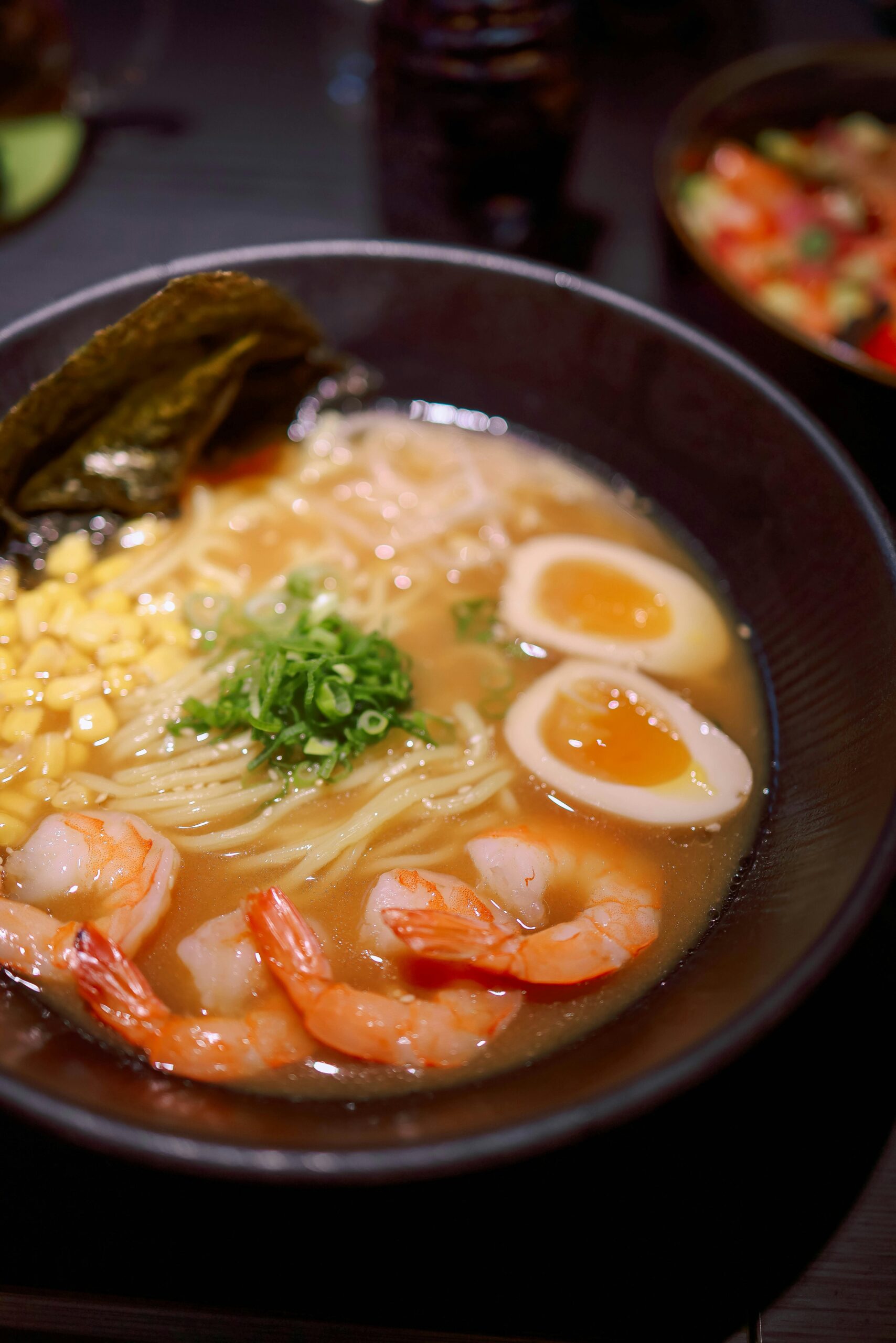
Shio ramen is the lightest and most delicate of the four styles. Its seasoning is salt-based, allowing the natural flavour of the broth to shine.
Taste: Clean, light, gently savoury Broth feel: Clear and light-bodied Noodles: Thin to medium, straight What it’s like: Subtle and refined You’ll like this if: You prefer lighter flavours and clean finishes
The four pillars of ramen didn’t appear by chance. They were shaped over time by history, geography, and the everyday need for something warm, affordable, and satisfying. As ramen spread across Japan, different regions adapted it using the ingredients and techniques available to them.
Over decades, those adaptations settled into four distinct styles — shio, shoyu, miso, and tonkotsu. Together, they explain why ramen can be light or rich, subtle or bold, and why no two bowls ever feel quite the same.